
Pools Cleared of Leaves and Branches
Debris Removal in Dunedin for pools under heavy tree canopy
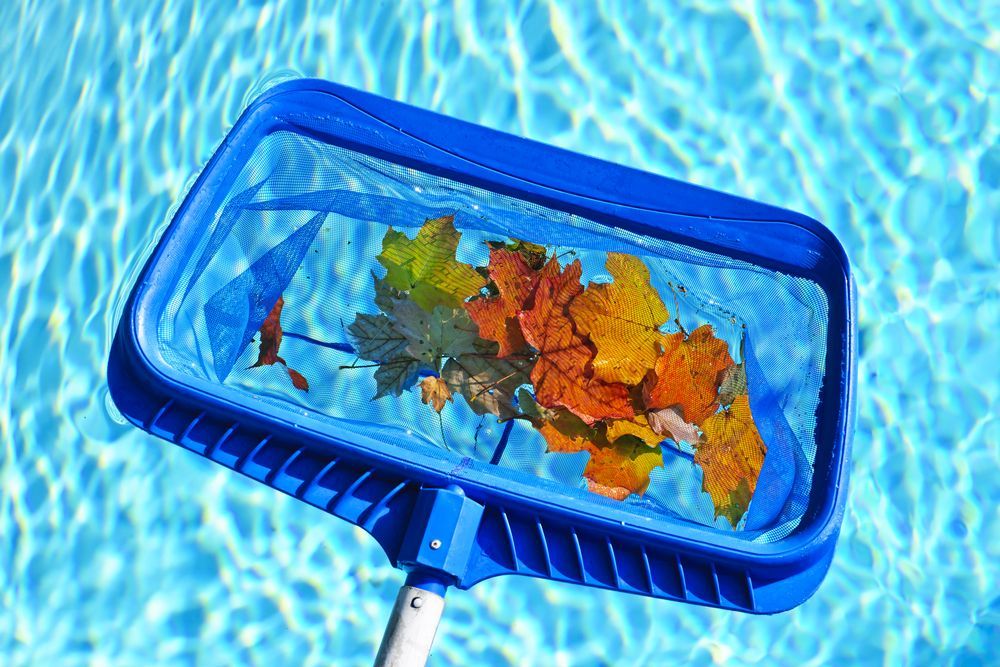
Pinellas County's subtropical climate and dense tree coverage drop leaves, seed pods, and small branches into pools year-round, creating constant surface clutter and bottom sediment that clogs skimmers and strains filters. Summer storms and wind events worsen the problem by shaking loose debris that would otherwise stay in the canopy. Surfrider Pool Service removes organic debris from residential pools through manual skimming, surface netting, and bottom vacuuming, addressing the documented local factor of tree canopy affecting pool condition throughout Dunedin and surrounding areas.
Manual skimming clears floating material before it sinks and stains surfaces, while vacuuming removes settled debris that manual nets can't reach. Equipment inspection during removal service catches skimmer basket clogs and filter pressure buildup before they escalate into circulation problems or equipment shutdowns.
Set up a weekly or bi-weekly debris removal schedule to prevent accumulation that overwhelms your filter system and shortens equipment life.
What You Notice Once Debris Is Removed
Removal restores surface clarity: you'll see the pool floor clearly without a layer of leaves or sediment obscuring the bottom. Skimmers pull water freely instead of choking on clumps of organic material, and the filter runs at normal pressure because debris no longer clogs the media or cartridge.
Consistent debris removal cycles prevent staining on pool floors and walls, where tannins from decomposing leaves create brown patches that require acid washing to remove. Water chemistry stays balanced longer because organic material isn't constantly introducing phosphates and nitrates that feed algae growth.
Properties along the County Road 1 corridor face heavier debris loads than homes in open subdivisions, requiring more frequent removal to maintain clean conditions. Neglecting removal for even a week during fall or after storms can leave inches of material on the bottom that takes hours to vacuum and strains the filter system.
What Property Owners Usually Ask
Residents near Clearwater and Palm Harbor often ask about removal frequency, equipment strain, and whether certain tree types create worse debris problems than others.
How often should debris be removed from a pool under tree coverage?
Weekly removal during active shedding seasons prevents filter clogs and surface staining; bi-weekly service works for lighter canopy coverage with less organic material.
What happens if debris sits on the pool floor for too long?
Leaves decompose and release tannins that stain plaster or vinyl, creating brown patches that require acid treatment or replastering to remove fully.
Does debris removal include cleaning the skimmer baskets?
Surface skimming clears floating material, and basket inspection removes clogs that reduce circulation and strain the pump motor during operation.
Why does debris accumulate faster after storms in Dunedin?
Wind events shake loose material from canopies that would otherwise stay attached, dumping weeks' worth of leaves and branches into pools within hours.
Can certain trees be trimmed to reduce pool debris?
Overhanging branches contribute most of the direct drop; trimming canopy back from the pool edge reduces but doesn't eliminate debris from wind-blown material.
Surfrider Pool Service provides debris removal throughout Dunedin, Clearwater, and Palm Harbor, with three years of experience managing tree canopy challenges in Pinellas County. Book a debris assessment to evaluate your property's removal needs and schedule ongoing service.