
Recovery From Neglect and Seasonal Buildup
Pool Deep Cleaning in Dunedin for pools showing algae accumulation and sediment layers
Pools that haven't received maintenance for weeks or months develop algae colonies on walls, sediment layers on floors, and debris compacted in filters and circulation lines. Deep cleaning addresses these accumulated problems through intensive brushing, vacuuming, filter work, and chemical rebalancing that returns the pool to swim-ready condition. Surfrider Pool Service handles deep cleaning for residential pools in Dunedin, Clearwater, and Palm Harbor, removing buildup that regular maintenance can no longer manage and resetting water chemistry for properties recovering from neglect or seasonal turnover.
The process involves thorough brushing of all pool surfaces to break up algae growth and biofilm, floor and wall vacuuming to remove sediment and organic debris, filter backwashing or cartridge cleaning to restore circulation, and tile line scrubbing to clear the mineral deposits and algae staining that develop at the waterline. Chemical rebalancing follows the physical cleaning, shocking the water to oxidize remaining contaminants and adjusting pH, alkalinity, and chlorine levels to ranges that prevent immediate re-contamination.
Arrange an on-site consultation to review your pool's current condition and determine the cleaning scope required to restore water clarity and surface cleanliness.
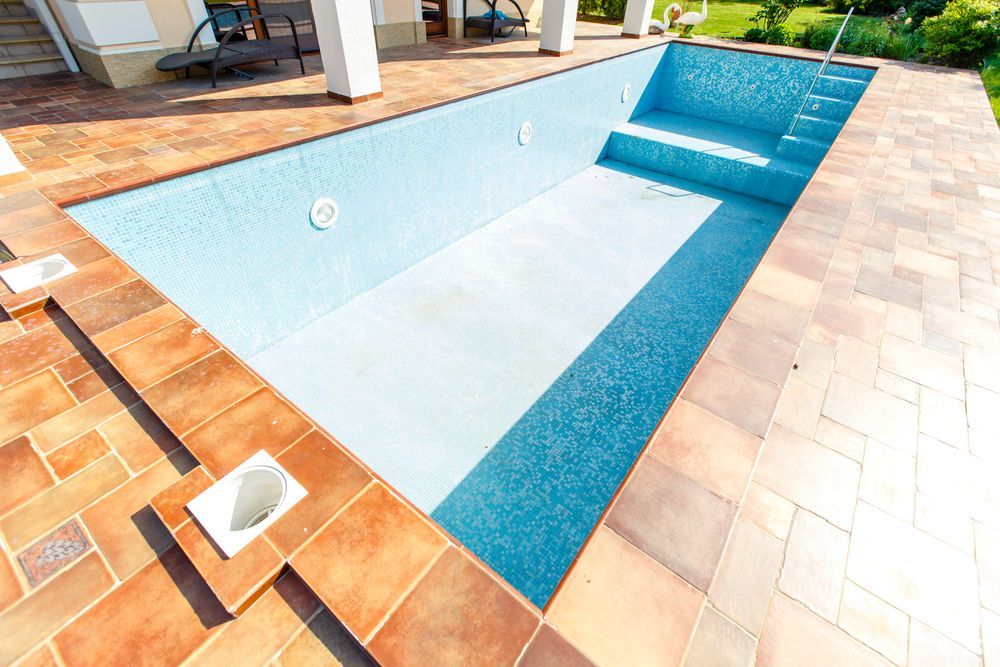
Why Deep Cleaning Works for Accumulated Problems
Standard maintenance visits address debris and chemical drift that accumulates over one or two weeks, but pools with longer neglect periods require more intensive work to remove established algae colonies and compacted sediment. Deep cleaning uses stronger brushing to dislodge growth that has anchored to plaster or tile, waste-mode vacuuming to remove heavy debris loads without recirculating them through filters, and extended chemical treatments that penetrate biofilm layers regular chlorine levels can't affect. The work restores surfaces to a condition where routine maintenance can then keep the pool clean.
Once deep cleaning is complete, pool walls and floors return to smooth, clean surfaces without slimy patches or visible algae spots. Water clears as suspended particles settle and are vacuumed away, and filters begin processing normal debris loads rather than struggling against compacted material. The pool becomes swimmable again, with chemical levels stable enough to maintain through regular adjustments rather than requiring constant shock treatments.
Deep cleaning is typically a one-time service that prepares a pool for ongoing maintenance, though properties with heavy tree coverage in Pinellas County may benefit from seasonal deep cleaning to address the debris accumulation that occurs during periods of reduced pool use or after storms that deposit large amounts of organic material.
What Property Owners Usually Ask
Understanding what deep cleaning involves and when it's needed helps you evaluate whether your pool requires intensive restoration or just a return to regular maintenance schedules.
What situations require deep cleaning rather than regular maintenance?
Pools showing green or cloudy water that doesn't clear with chemical treatment, visible algae covering walls or floors, sediment layers that don't vacuum easily, or pools that haven't been maintained for a month or longer benefit from deep cleaning before returning to routine service.
How does debris from Dunedin's tree canopy affect deep cleaning needs?
Oak, pine, and palm trees drop leaves, needles, and organic matter that breaks down in the water, creating nutrient sources for algae and sediment that compacts on pool floors, requiring intensive brushing and waste-mode vacuuming to remove completely.
What's included in a pool deep cleaning service?
The service covers thorough surface brushing, floor and wall vacuuming, tile line scrubbing, filter cleaning or backwashing, and complete water chemistry rebalancing including shock treatment to oxidize contaminants and kill remaining algae spores.
How long does deep cleaning take to complete?
Most residential pools require four to six hours for complete deep cleaning, with time varying based on pool size, the severity of algae growth, and the amount of sediment and debris that accumulated during the neglect period.
When can the pool be used after deep cleaning?
Water becomes swimmable once chlorine levels drop to safe ranges following shock treatment, typically 24 to 48 hours after the cleaning is finished, with exact timing depending on the shock dosage required and how quickly the pool circulates and filters the treated water.
With three years handling pool maintenance and recovery work, Surfrider Pool Service has restored pools throughout Dunedin from various stages of neglect, addressing everything from seasonal buildup to extended abandonment. Schedule a property evaluation to assess the cleaning scope your pool requires and develop a plan for returning it to regular maintenance after restoration is complete.